





One of the most confusing parts of earthing is figuring out which surfaces truly ground you and which ones just feel natural but do very little electrically. A lot of advice online makes it sound like any contact with the ground counts. In reality, some surfaces conduct the Earth’s electrical charge well, while others block it almost completely.
Understanding the difference helps set realistic expectations and avoids frustration when people try earthing and feel nothing at all.

The Simple Rule Behind Earthing Surfaces
For earthing to work in a physical sense, your body needs to make contact with a surface that is electrically conductive and connected to the Earth itself. If a surface insulates or breaks that connection, grounding does not happen, no matter how natural it looks.
Moisture, material type, and what lies beneath the surface all play a role.
Surfaces That Generally Work Well
These surfaces tend to conduct the Earth’s electrical potential effectively, especially when slightly moist.
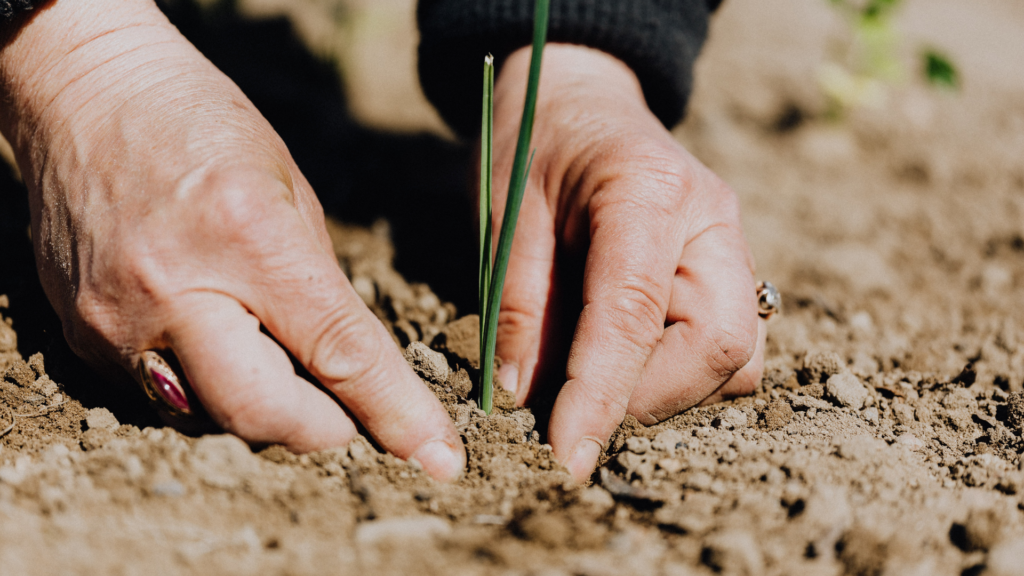
Natural soil and dirt
Bare earth is one of the most reliable grounding surfaces. Standing or sitting directly on soil allows electrons to move freely between the ground and the body. Damp soil conducts even better than dry soil.
Grass
Grass works well as long as it is growing directly from soil and not separated by artificial barriers. Morning grass with dew is often more conductive than dry grass later in the day.
Sand
Beach sand can be an excellent grounding surface, particularly near the waterline where it stays moist. Dry sand farther from the shore is less conductive but still often better than artificial surfaces.
Seawater and natural bodies of water
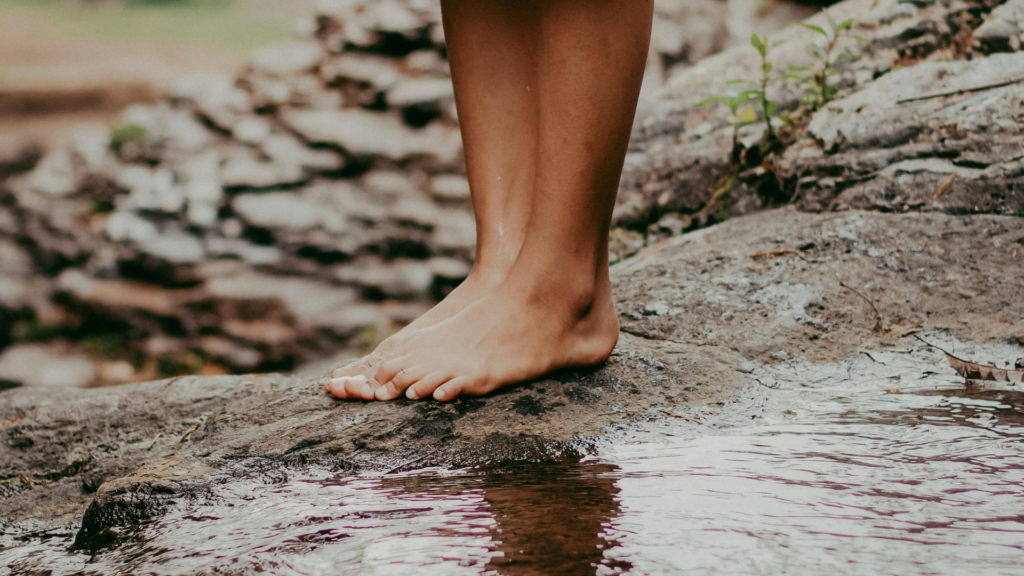
Ocean water, lakes, rivers, and streams conduct electricity very well due to dissolved minerals. Standing, swimming, or wading in natural water is one of the most effective forms of earthing.

Surfaces That Sometimes Work, With Conditions
These surfaces can ground you, but only under certain circumstances.
Concrete
Bare concrete can conduct electricity if it is not sealed or painted and if it is in direct contact with the Earth. Outdoor concrete patios or sidewalks sometimes work, while indoor concrete floors usually do not due to insulation layers beneath them.
Stone
Natural stone can conduct to some degree, depending on moisture and how it is installed. Stone placed directly on soil performs better than stone laid over insulation or artificial sublayers.

Surfaces That Usually Do Not Work
These materials feel outdoorsy or solid but tend to block electrical flow.
Asphalt
Asphalt is largely insulating. Standing barefoot on asphalt does not provide meaningful grounding, even though it is technically outdoors.
Wood decks and platforms
Wood acts as an insulator, especially when dry or treated. Raised decks are usually disconnected from the Earth electrically.
Rubber, plastic, and synthetic surfaces
Yoga mats, running tracks, playground flooring, and synthetic turf block grounding completely.
Indoor flooring
Most indoor floors include insulation, vapor barriers, or floating subfloors that prevent electrical connection to the Earth.

What About Shoes and Socks?
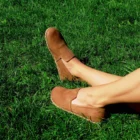
Most modern shoes have rubber or synthetic soles, which block grounding. Thin leather soles may conduct slightly when wet, but results vary. Socks alone do not matter much if the surface beneath them is conductive, but shoes almost always interrupt the connection.
Why Moisture Makes Such a Difference
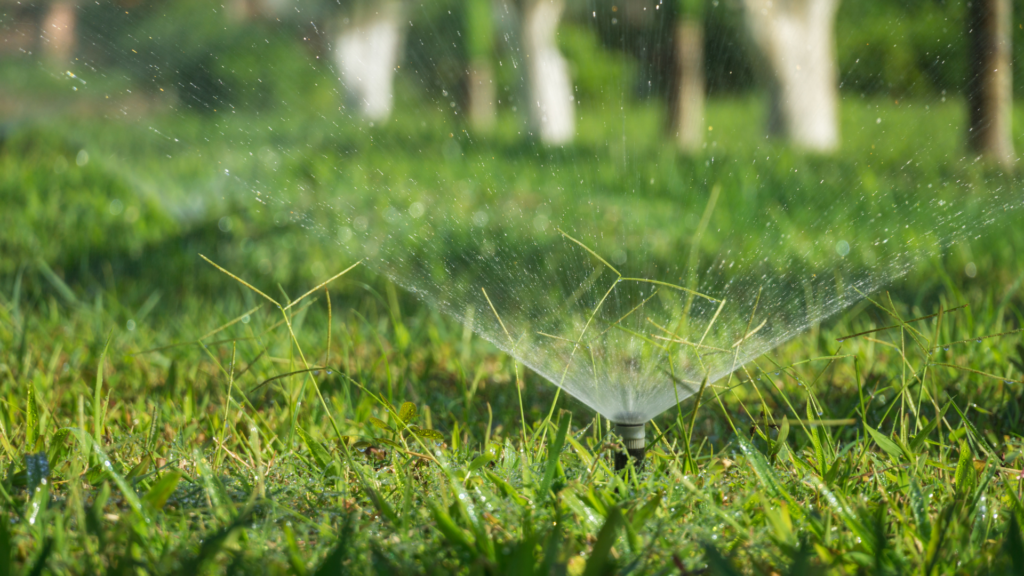
Water improves conductivity by allowing electrons to move more freely. This is why grounding often feels easier at the beach, after rain, or early in the morning. Dry environments reduce conductivity, even on otherwise effective surfaces.
This does not mean grounding never works in dry climates. It just means the electrical connection may be weaker.

A Practical Way to Think About Earthing Surfaces
Instead of asking whether a surface feels natural, ask a simpler question: is this material conductive and connected to the Earth?
If the answer is yes, grounding is possible. If the surface is sealed, synthetic, elevated, or insulated, grounding is unlikely.
What to Remember When Choosing a Surface
Earthing does not require perfection. It requires contact with the right kind of surface. Natural ground, grass, sand, and water remain the most reliable options. Concrete and stone may work in specific conditions. Asphalt, wood, and synthetic materials generally do not.
Understanding this removes a lot of confusion and helps people practice earthing in a more intentional, grounded, and realistic way.