

Finding the best grounding shoes for people with plantar fasciitis can feel frustrating, especially when you are already dealing with persistent heel pain, arch pain, or foot pain that affects your ability to walk comfortably. Many people with plantar fasciitis feel stuck choosing between shoes that feel supportive but restrictive, or shoes that allow natural movement but seem too minimal during flare-ups.
This guide is designed to help you understand how grounding shoes can fit into plantar fasciitis care in a thoughtful and supportive way. We will explain plantar fasciitis in simple terms, how footwear impacts recovery, and what features matter most when choosing grounding shoes for plantar fasciitis. We will also cover what shoes to avoid, how to transition safely, and how grounding footwear may support long-term foot health.
Understanding Plantar Fasciitis
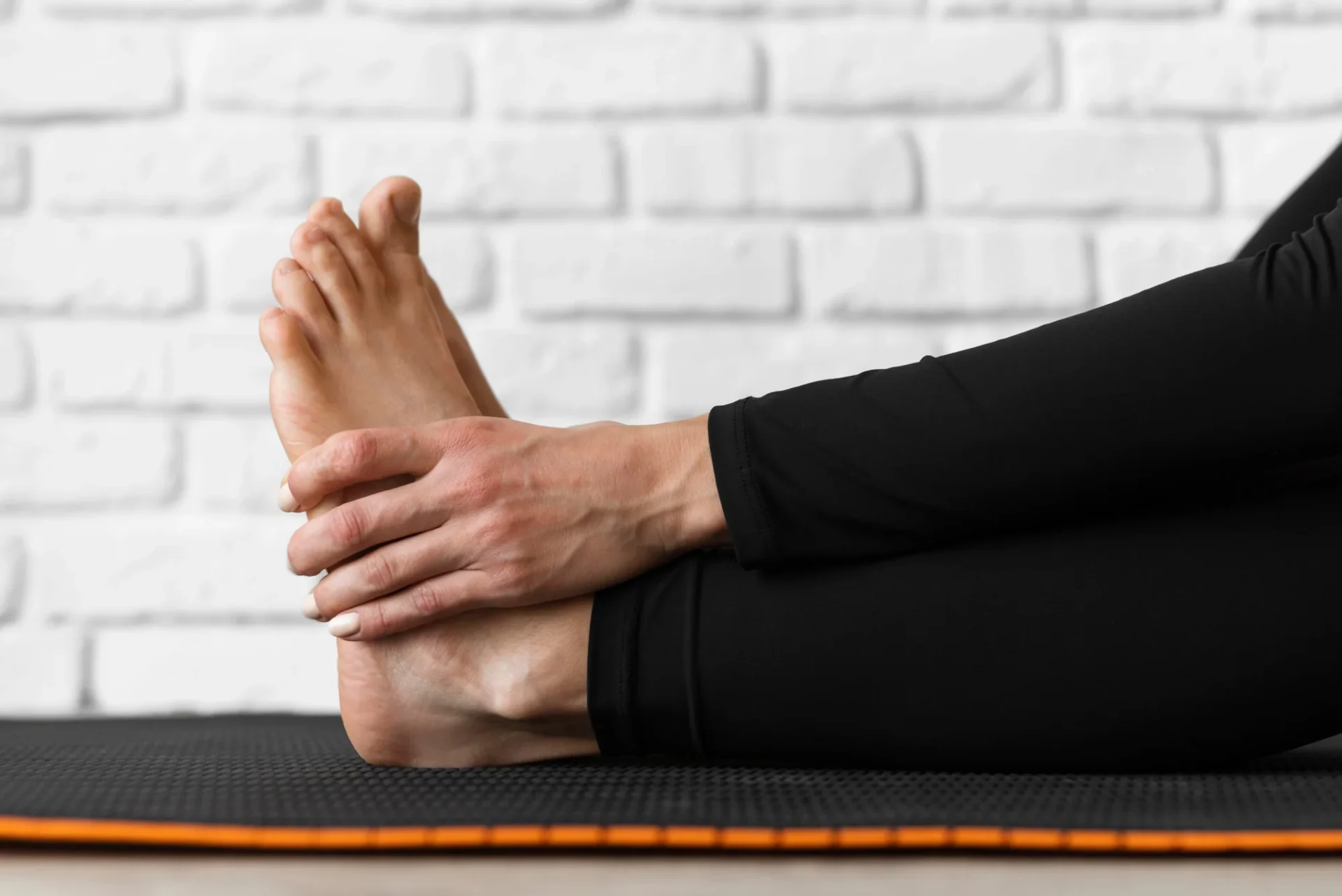
Plantar fasciitis is a common cause of heel pain and foot pain. It occurs when the plantar fascia, a thick band of connective tissue that runs from the heel bone to the toes, becomes irritated or overstressed. The plantar fascia plays an important role in supporting the foot arch and absorbing impact during walking and standing.
Plantar fasciitis symptoms often include sharp heel pain, stiffness when standing after rest, tenderness along the arch, and discomfort that can worsen after long walks or standing on hard surfaces. For some people, the pain is mild and manageable. For others, plantar fasciitis pain can feel intense and disruptive.
Why Footwear Is So Important for Plantar Fasciitis
Footwear has a direct impact on how stress, pressure, and weight are distributed across the foot, heel, ankles, knees, and legs. Shoes that lack support or stability can increase impact stress on the heel bone and place excess strain on the plantar fascia.
Well-chosen shoes can help reduce pressure, support proper alignment, and encourage even weight distribution. This is especially important during walking, standing, and daily movement when the plantar fascia is repeatedly loaded.
The Role of the Heel and Arch in Plantar Fasciitis
The plantar fascia connects at the heel and helps maintain the arch of the foot. When the heel absorbs too much impact or the arch collapses excessively, tension increases along the plantar fascia.
Supporting the heel and arch appropriately can help reduce strain and promote pain relief. However, support does not always mean rigid or overly stiff. Balance is key.
How Grounding Shoes Fit Into Plantar Fasciitis Care
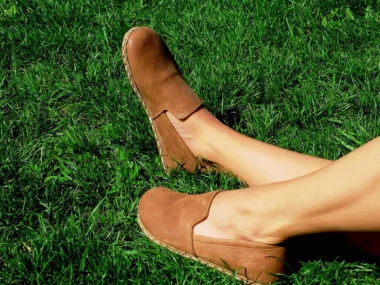
Grounding shoes are designed to allow a conductive connection between the foot and the ground while still providing protection and structure. Unlike traditional shoes that insulate the body from the ground, grounding shoes use conductive materials that allow contact with the earth’s surface.
From a plantar fasciitis perspective, grounding shoes often share features that support recovery, such as flexible soles, lower heel height, wider toe boxes, and designs that encourage natural movement.
Is Grounded Footwear Good for Plantar Fasciitis?
Barefoot shoes and grounding are often mentioned together, but they are not the same thing. Barefoot shoes focus on the shape and structure of the shoe—allowing the foot to move more naturally with minimal heel elevation and greater flexibility. These features may help reduce strain on the plantar fascia for some people.
Grounding is about connecting the body to the Earth and is separate from footwear mechanics. Our shoes simply combine both barefoot-style design and grounding capability in one option.
Grounding Shoes and Natural Foot Function
The human foot is designed to move, adapt, and respond to the ground. Grounding shoes support this by allowing more natural movement while still offering protection.
Features such as flexible soles, room for the toes to spread, and reduced heel height allow the foot muscles to engage more naturally. Over time, this may help strengthen intrinsic muscles and improve foot health.
Barefoot Shoes and Plantar Fasciitis
Barefoot shoes are often discussed alongside grounding shoes because both support natural movement. Barefoot shoes allow the foot to function with minimal interference, encouraging toe mobility and proper alignment.
For people with plantar fasciitis, barefoot shoes should be approached gradually. While they can help strengthen foot muscles and improve balance, transitioning too quickly may increase pain. Grounding shoes that offer moderate cushioning and support can be a gentler option.
Cushioning and Plantar Fasciitis
Cushioning plays an important role in managing plantar fasciitis pain. Too little cushioning can increase impact stress on the heel, while overly soft cushioning can reduce stability and strain the plantar fascia.
Grounding shoes often use moderate cushioning that absorbs impact without collapsing excessively. This balance helps protect the heel while maintaining stability.
Arch Support and Plantar Fasciitis
Arch support is an important consideration for plantar fasciitis. Proper arch support helps reduce strain on the plantar fascia and promotes proper alignment during walking and standing.
Some grounding shoes include built-in arch support or removable insoles that provide additional support. The goal is to support the arch without restricting natural movement or toe function.
Heel Height and Alignment
Excessive heel elevation can increase tension on the plantar fascia and Achilles tendon. Grounding shoes typically use a lower heel profile, which may help reduce stress and encourage proper alignment.
Lower heel height supports even weight distribution across the foot and can reduce pressure on the heel bone.
Shoes to Avoid With Plantar Fasciitis
Certain shoes tend to worsen plantar fasciitis symptoms and should generally be avoided:
- Shoes with thin, unsupportive soles
- Shoes with narrow toe boxes that compress the toes
- Worn-out footwear that lacks cushioning and stability
- Shoes with excessive heel height
Avoiding these shoes can help reduce further injury and prolonged pain.
Grounding Shoes for Walking and Daily Wear
Walking is one of the most common activities affected by plantar fasciitis. Grounding shoes designed for walking often prioritize stability, moderate cushioning, and supportive heel structure.
These features make grounding shoes suitable for long walks, standing, and everyday wear without sacrificing comfort or foot support.
Standing on Hard Surfaces
Standing for extended periods on hard surfaces can increase stress on the plantar fascia. Grounding shoes with proper cushioning and support can help reduce pressure and improve comfort during standing.
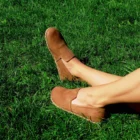
When possible, standing on natural ground surfaces such as grass or soil can further support grounding and reduce impact stress.
Grounding Shoes and Inflammation
Grounding is often associated with reducing inflammation and stress within the body. Some people with plantar fasciitis report reduced pain and improved comfort when using grounding shoes consistently.
While grounding is not a medical treatment, it may support overall recovery when combined with supportive footwear, proper movement, and rest.
Grounding Shoes and Stress Reduction
Stress can influence pain perception and muscle tension. Grounding is believed to have a calming effect on the nervous system, which may help reduce stress and promote relaxation.
Lower stress levels may support improved healing and better overall comfort for people managing plantar fasciitis.
Transitioning Safely Into Grounding Shoes
If you are new to grounding shoes or barefoot-style footwear, transition gradually. Start by wearing grounding shoes for short periods, such as 15 to 30 minutes, and slowly increase wear time.
Pay attention to pain signals and avoid pushing through sharp or worsening pain. A gradual transition helps prevent further injury.
How Long Does Relief Take?
Recovery timelines vary. Some people notice reduced pain within a few weeks, while others may need several months or longer. Consistency, supportive footwear, and patience are key.
Grounding shoes are best viewed as part of a long-term foot health approach rather than a quick fix.
Choosing the Best Grounding Shoes for Plantar Fasciitis
When choosing grounding shoes for plantar fasciitis, look for:
- Moderate cushioning
- Supportive arch design
- Stable heel structure
- Flexible soles
- Wide toe box
- Quality conductive materials
These features support comfort, alignment, and natural movement while allowing grounding benefits.
Safety Considerations
Grounding shoes are generally safe for most people. If you have electronic implants such as pacemakers or specific medical conditions, it is recommended to consult a doctor before using grounding products.
Grounding shoes are not medical devices and should not replace professional medical advice.