





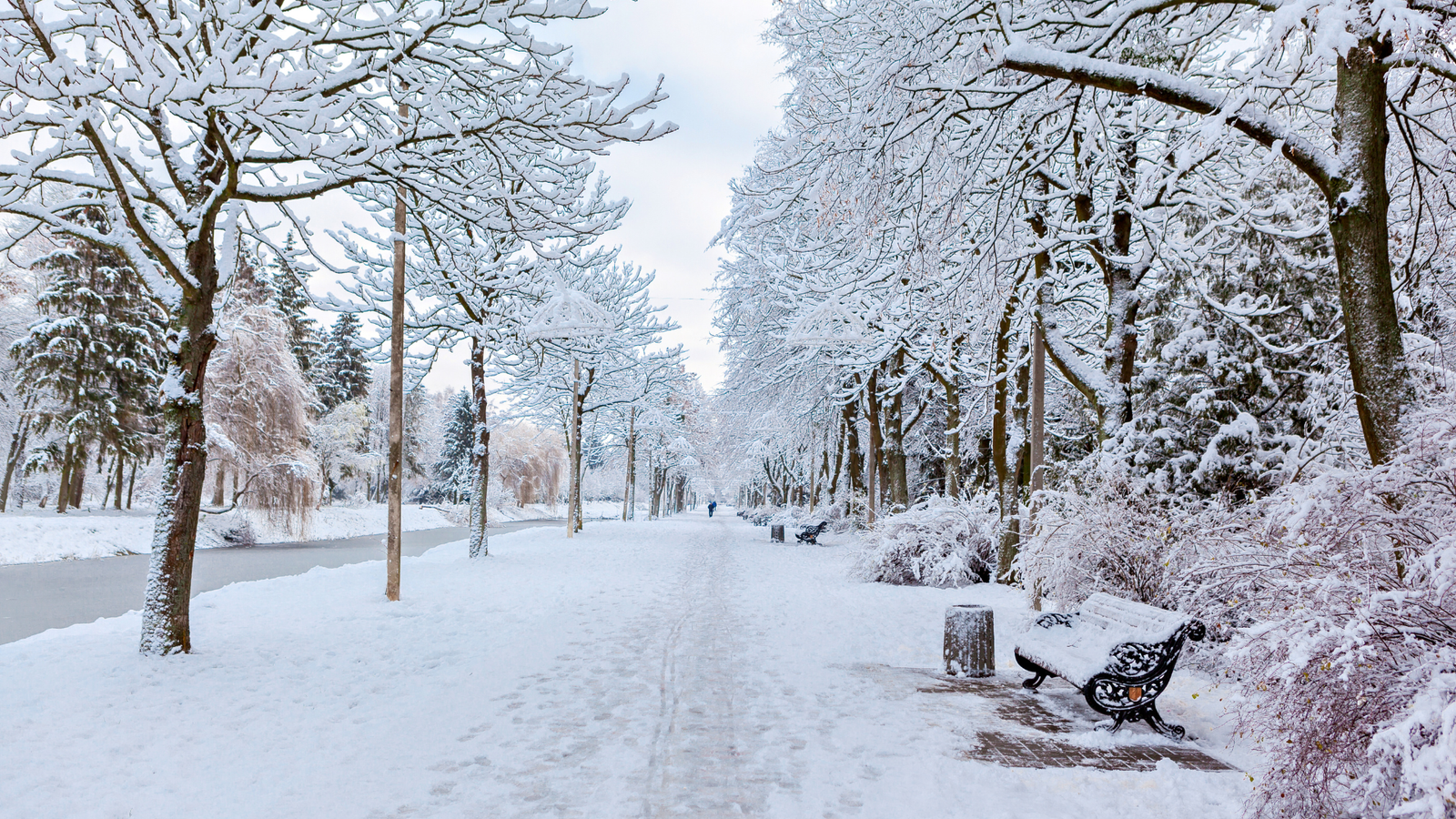
Earthing often feels like a warm weather practice. Bare feet on grass, sand, or soil naturally bring summer to mind. When winter arrives, many people wonder whether earthing still works the same way or if cold, snow, and frozen ground change everything.
The short answer is that winter does change the practical side of earthing, but it does not make grounding impossible or meaningless. Understanding what actually changes helps set realistic expectations and safer habits.

Does Cold Ground Still Conduct Electricity?
Yes. Even in winter, the Earth remains electrically conductive.
Soil conductivity depends on several factors, including moisture, mineral content, and temperature. Frozen ground can reduce conductivity slightly, but it does not stop electrical connection altogether.
Snow itself is a weak conductor, especially when dry. Wet snow, slush, or partially thawed ground conducts better. This means that barefoot grounding on dry snow may feel different than grounding on damp soil or wet pavement.
The Earth does not lose its electrical properties in winter. The connection simply becomes less direct in some conditions.

Why Outdoor Earthing Feels Harder in Winter
Winter mainly affects comfort and access, not the underlying physics.
Cold temperatures make barefoot contact uncomfortable or impractical for many people. Snow, ice, and frozen ground limit how often and how long someone wants to be outside without shoes.
This leads many people to shift from outdoor earthing to indoor options during colder months.
The change is about environment, not effectiveness.
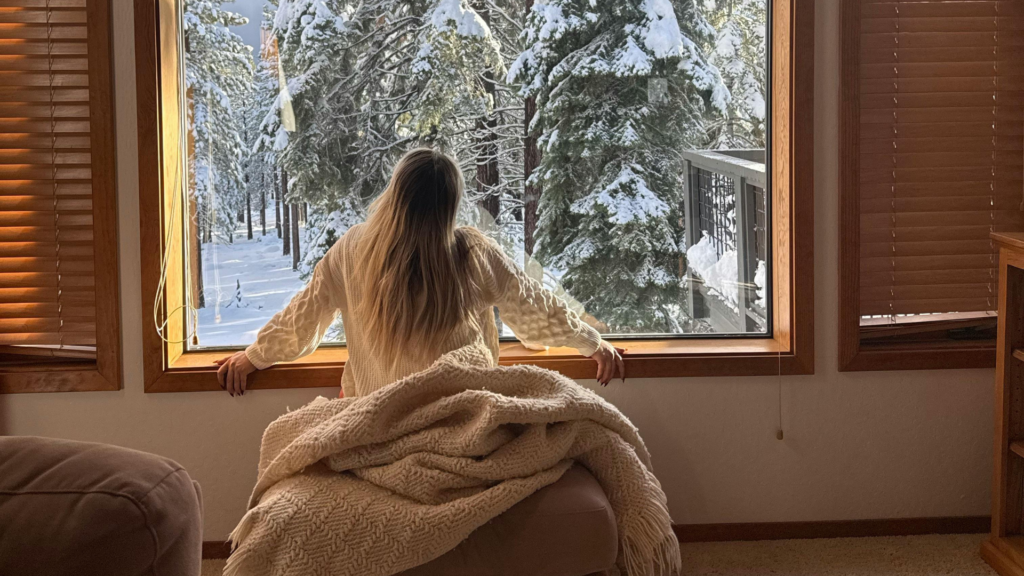
Indoor Earthing During Winter
Winter is when indoor earthing products are used most often. Grounding mats, sheets, and pads allow people to stay connected without exposure to cold weather.
From an electrical standpoint, indoor earthing works the same in winter as it does in summer, assuming the home’s grounding system is properly installed.
What matters is not the season but:
- The quality of the grounding connection
- Proper outlet grounding
- Safe product design
Cold air and dry indoor environments do not prevent grounding. However, very dry air can increase static electricity, which may make grounding sensations feel more noticeable at first.
Static Electricity and Winter Earthing
Winter air is often dry, especially in heated indoor spaces. Dry air increases static charge buildup on the body.
This can lead to:
- More noticeable tingling when first grounding
- Stronger static shocks when touching metal objects
- Increased awareness of electrical sensations
Grounding can help dissipate static charge, but the initial sensation may feel more pronounced in winter compared to humid summer months.
This does not mean something is wrong. It reflects seasonal changes in humidity and air dryness.

Does Snow Block Grounding Completely?
Snow does not completely block grounding, but it can reduce direct contact depending on conditions.
Barefoot grounding works best when skin touches conductive surfaces like soil, wet grass, sand, or concrete that is in contact with the Earth. Thick layers of dry snow act as insulation.
If grounding outdoors in winter, better options include:
- Wet pavement
- Damp soil near melting areas
- Bare concrete connected to the ground
- Metal structures anchored into the Earth
Safety and warmth should always come first.

Seasonal Differences in How People Feel
Some people report that earthing feels different in winter. This can include subtler sensations or changes in how relaxing it feels.
These differences are likely influenced by:
- Reduced sunlight exposure
- Changes in daily movement
- Seasonal shifts in sleep and mood
- Cold related muscle tension
It is easy to attribute all changes to earthing itself, but seasonal factors play a large role in how the body feels overall.
Winter earthing may feel quieter or less noticeable, but that does not mean it stops working.

Should You Earthing Less in Winter?
There is no rule that says earthing must change with the seasons. Some people naturally do it less outdoors and more indoors. Others continue grounding year round without noticing much difference.
What matters most is consistency and comfort.
If winter conditions make outdoor grounding unpleasant, indoor earthing can provide continuity. If indoor products feel uncomfortable at first, shorter sessions may help.
Listening to your body is more important than following a seasonal formula.

Safety Considerations in Winter
Winter adds a few extra safety considerations:
- Cold exposure can increase injury risk when barefoot outdoors
- Ice and snow increase slip hazards
- Older homes may have grounding inconsistencies worth testing
Winter is not a time to push discomfort in the name of grounding. Natural does not mean forcing yourself into unsafe conditions.

A Grounded Perspective on Winter Earthing
Winter does not stop earthing from working, but it changes how people interact with it. The Earth remains electrically stable year round. What shifts is access, comfort, and environment.
Outdoor earthing becomes less practical. Indoor grounding becomes more common. Sensations may feel different due to dry air and static buildup.
Seen this way, winter is not a problem for earthing. It is simply a reminder that grounding is a practice that adapts to real life conditions.
Approached thoughtfully, earthing can remain a steady, supportive habit in every season.