



Earthing does not require special equipment or expensive tools. Long before grounding mats or sheets existed, humans naturally stayed connected to the Earth through daily contact with soil, grass, sand, and stone. If you want to explore earthing in a simple, natural way, it is entirely possible to do so at home without buying anything.
Below is a more detailed, practical guide to help you understand what works, what does not, and how to build earthing into everyday life.
Why Practicing Earthing Without Products Makes Sense
Starting without products allows you to:
- Experience earthing in its most natural form
- Understand how your body responds without added variables
- Avoid unnecessary spending if you are still exploring the concept
- Build a habit that feels intuitive rather than technical
For many people, outdoor earthing becomes the foundation. Products, if used later, simply replicate what nature already provides.

Barefoot Ground Contact Is The Foundation
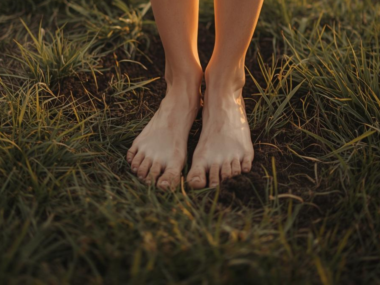
Direct skin contact with the Earth is the most reliable way to practice earthing without products. This means removing shoes and socks and allowing your feet or other body parts to touch natural ground surfaces.
Surfaces That Work Well
- Grass, especially when slightly moist
- Soil and garden dirt
- Sand at the beach or in sandboxes
- Clay-rich ground
- Unsealed, unpainted concrete that is in direct contact with the Earth
Surfaces That Do Not Ground Effectively
- Asphalt or tar
- Sealed, painted, or coated concrete
- Wood decks
- Tile, laminate, or vinyl flooring
- Carpet and rugs
- Rubber or plastic surfaces
Knowing this distinction helps prevent confusion. Being barefoot indoors often feels good, but it usually does not provide true grounding.

Gardening As A Natural Earthing Practice
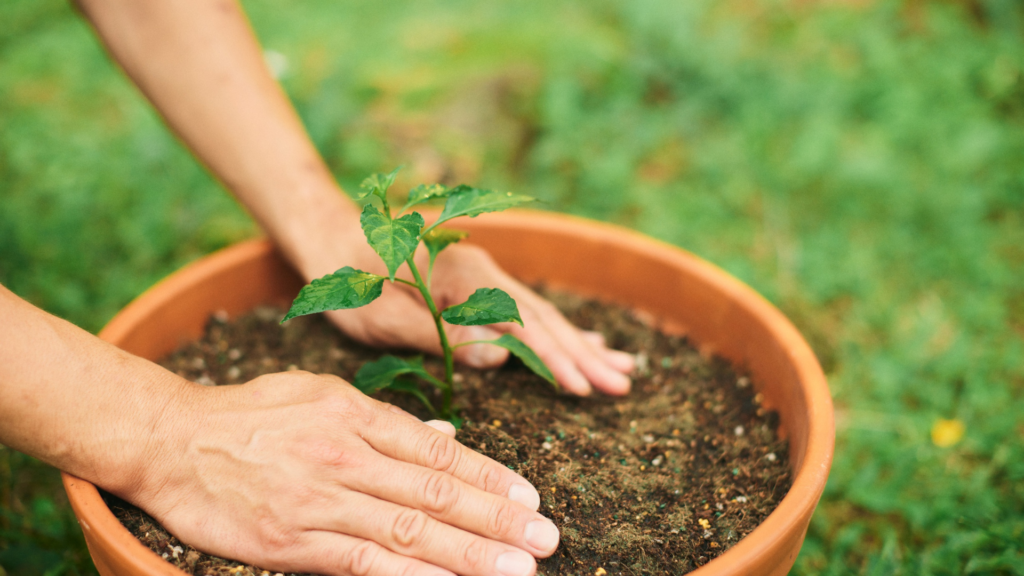
Gardening is one of the most practical ways to ground at home. It naturally involves extended skin contact with soil and encourages slow, mindful movement.
Ways to ground while gardening include:
- Gardening barefoot when safe to do so
- Sitting directly on the ground while planting or weeding
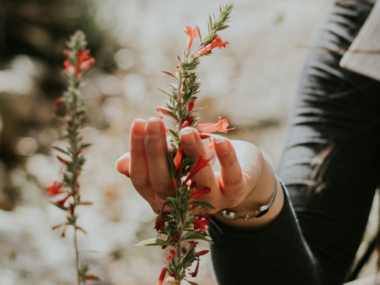
- Using bare hands to work with soil
- Resting hands on the ground during breaks
Beyond grounding, gardening also reduces stress through movement, sunlight, and focus. These elements often work together rather than separately.

Sitting Or Lying On The Ground
Earthing does not have to involve activity. Passive grounding can be just as effective.
Simple options include:
- Sitting on the grass while reading or relaxing
- Lying on sand or soil in a quiet area
- Stretching gently on the ground
- Practicing meditation or breathing exercises outdoors
If you prefer to sit on something, thin natural fabrics such as cotton or linen interfere less than thick synthetic materials. Direct skin contact is still ideal when possible.

Using Hands Instead Of Feet
If weather, mobility, or comfort make barefoot grounding difficult, your hands can work just as well.
- Place your hands directly on the soil or grass
- Rest palms on the ground while seated
- Touch trees, rocks, or damp earth
This approach is especially useful during cooler seasons or for short grounding sessions.

Moisture And Conductivity Matter
The Earth’s conductivity changes with moisture. Many people find grounding more noticeable when the ground is slightly damp.
- Morning dew on grass can improve conductivity
- Soil after rainfall is often more grounded than dry dirt
- Dry sand may ground less effectively than wet sand near water
This does not mean dry ground does not work, but moisture can enhance the connection.
Combining Earthing With Daily Habits
Earthing works best when it fits naturally into your routine rather than feeling like another task.
You might combine earthing with:
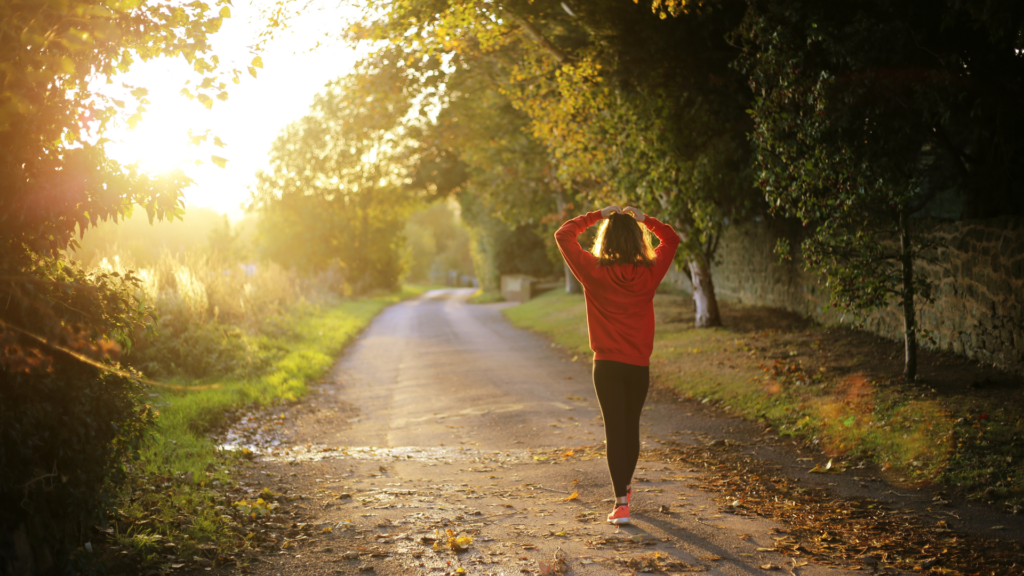
- Morning or evening walks in the yard
- Stretching or light yoga outdoors
- Gardening or yard work
- Quiet reflection without phones or screens
- Slow breathing or mindfulness practices
These combinations often amplify the calming effects people associate with grounding.

How Long And How Often To Practice
There is no universal rule, but common guidelines include:
- Ten to twenty minutes per session
- Once or twice daily if convenient
- Longer sessions if comfortable and enjoyable
Some people notice changes quickly, while others experience more subtle effects over time. Consistency matters more than duration.
Safety And Common Sense Considerations
Practicing earthing without products is generally low risk, but basic awareness is still important.
- Watch for sharp objects, insects, or uneven ground
- Avoid grounding during lightning storms
- Be mindful of extreme temperatures
- If you have mobility or health concerns, choose stable, safe surfaces
Earthing is a lifestyle practice, not a medical treatment. It should never replace professional care or advice.

Setting Realistic Expectations
Not everyone feels immediate or dramatic effects from earthing. Some people feel calmer, more relaxed, or more present. Others notice very little at first.
Research on earthing is still emerging, and experiences are subjective. The goal is not to chase sensations, but to reconnect with natural rhythms in a gentle, grounded way.

A Simple At-Home Earthing Routine
If you want an easy starting point:
- Go barefoot on grass or soil for fifteen minutes
- Keep your phone away
- Breathe slowly and naturally
- Notice how your body feels afterward
No equipment, no pressure, just time spent connected to the ground beneath you.

Bringing It All Back To The Ground
Practicing earthing at home without products is about simplicity, not perfection. It invites you to slow down, step outside, and reconnect with the natural surfaces that humans evolved alongside.
You do not need to feel anything dramatic for earthing to be worthwhile. Even small moments of barefoot contact, gardening, or sitting on the ground can support relaxation and awareness in a busy, indoor-focused world.
When approached as a gentle lifestyle habit rather than a health promise, earthing becomes less about outcomes and more about presence. It is a quiet reminder that sometimes the most grounding practices are also the most natural ones.