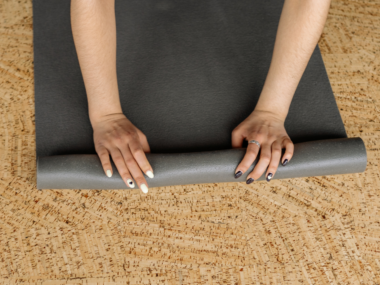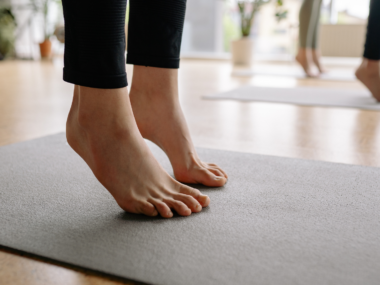






If you are looking into indoor earthing, two options usually come up first: earthing sheets and earthing mats. Both are designed to connect your body to the Earth while you are indoors, but they serve different purposes and fit different routines.
Rather than asking which one is better, a more useful question is which one makes more sense for how you actually live. This guide breaks down the differences in a clear, practical way so you can choose without hype or confusion.
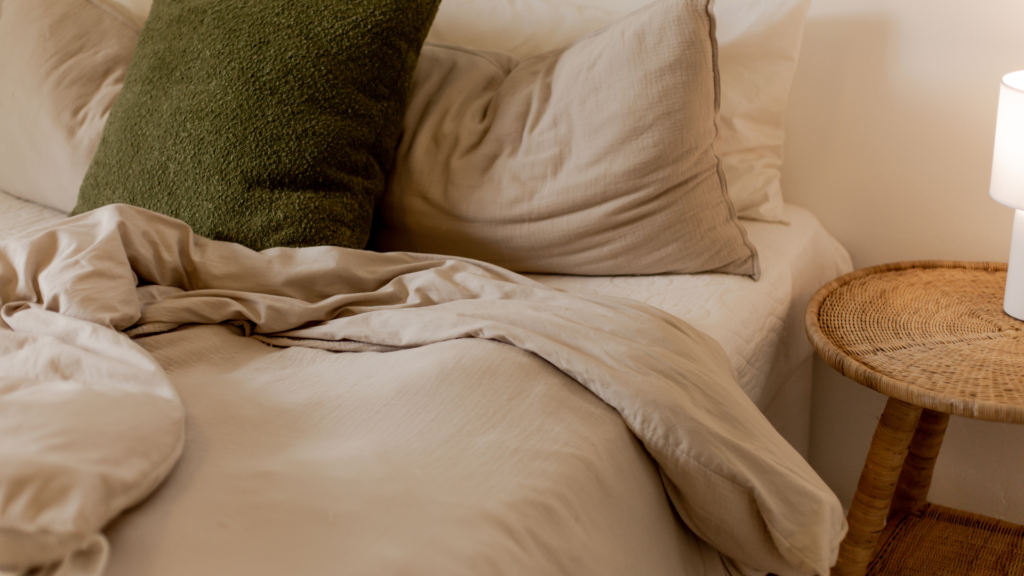
What An Earthing Sheet Is Designed For
An earthing sheet looks and functions much like a regular bed sheet, but it contains conductive fibers woven into the fabric. These fibers connect to the Earth through a grounding cord, usually via a grounded outlet or grounding rod.
How Earthing Sheets Are Commonly Used
- Placed on top of the mattress under your normal bedding
- Used mainly during sleep
- Designed for long, uninterrupted grounding sessions
Because you spend six to eight hours in bed, earthing sheets appeal to people who want grounding to happen passively, without having to remember daily sessions.
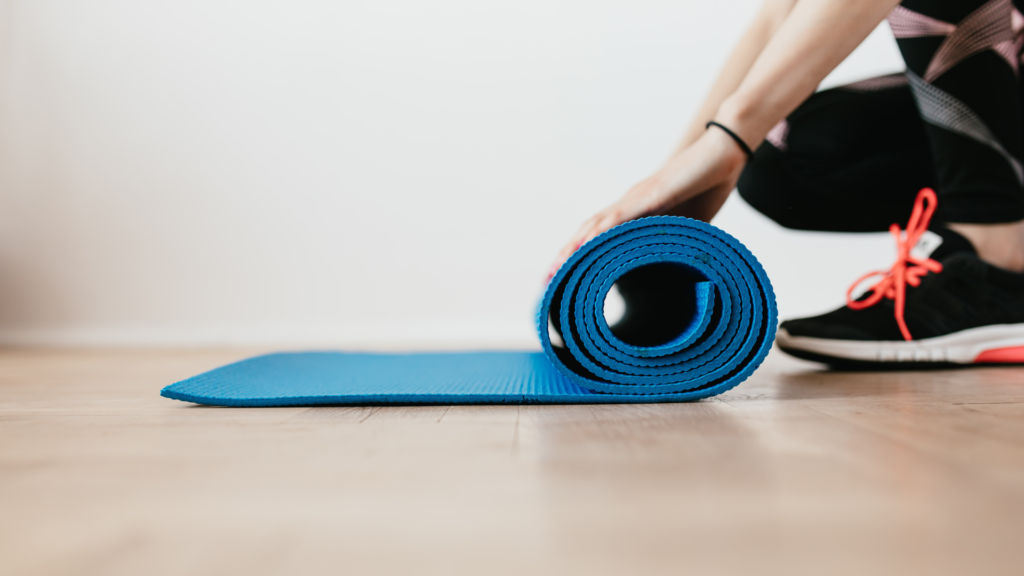
What An Earthing Mat Is Designed For
An earthing mat is a smaller, portable grounding surface made from conductive materials such as carbon-infused rubber or fabric-coated conductive layers.
How Earthing Mats Are Commonly Used
- Under your feet while working at a desk
- On the couch while relaxing
- On the floor for stretching or meditation
- Occasionally on a bed for partial contact
Mats are designed for flexibility and short, intentional grounding sessions rather than overnight use.

Key Differences At A Glance
Earthing Sheet
- Best suited for sleep
- Covers a larger area of the body
- Encourages long, consistent grounding
- Less flexible for daytime use
- Requires bedding setup and care
Earthing Mat
- Best suited for daytime or seated use
- Portable and easy to move
- Encourages intentional grounding habits
- Usually contacts a smaller area of skin
- Simple to clean and maintain
Neither option is inherently more effective. They simply support different lifestyles.

Which Makes More Sense For Sleeping?
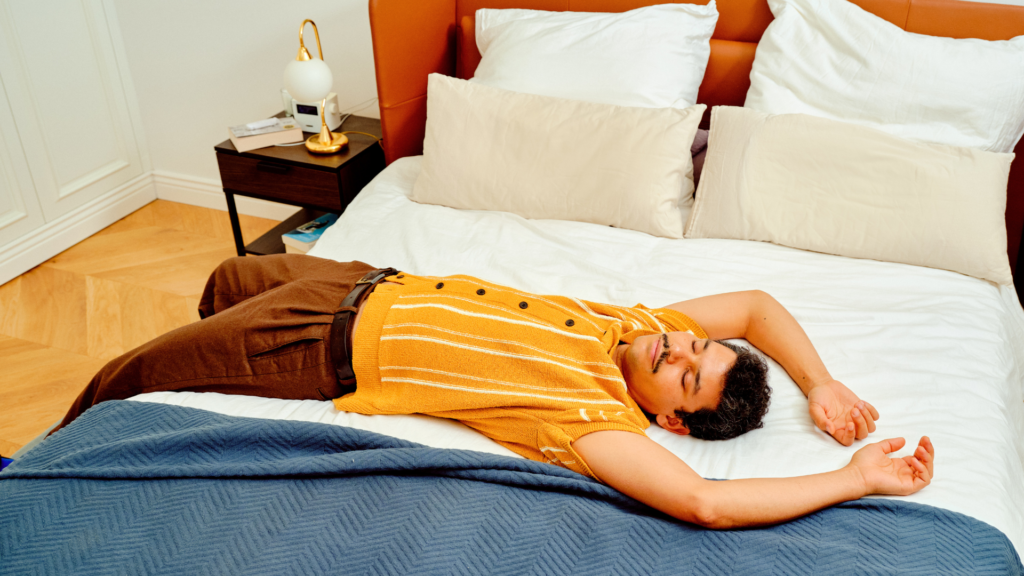
If your main goal is grounding while you sleep, an earthing sheet usually makes more sense.
Why many people choose sheets for sleep:
- You are already still for several hours
- Skin contact is easy to maintain
- No need to schedule grounding time
- Fits naturally into a nightly routine
While some people place mats on their bed, mats can shift during the night or lose contact, which makes sheets more reliable for sleep-based grounding.
Which Makes More Sense For Daily Life?
If you prefer grounding while awake, an earthing mat often feels more practical.
Reasons mats work well during the day:
- Easy to use while working or relaxing
- Ideal for people who do not want grounding during sleep
- Useful in apartments or shared households
- Simple way to test earthing without changing bedding
Mats are often chosen by beginners because they require less commitment.

Comfort And Sensory Experience
Comfort can influence consistency.
- Earthing sheets feel similar to fabric bedding, though some people notice a slightly different texture due to conductive fibers
- Earthing mats feel firmer and more noticeable, especially with direct skin contact
Sensitive sleepers often prefer sheets, while mats are better suited for short sessions where awareness is not an issue.

Setup And Maintenance Differences
Earthing Sheets
- Washed like regular bedding
- Conductive fibers may wear over time
- Require consistent skin contact to work well
Earthing Mats
- Easy to wipe clean
- More durable for frequent movement
- Less affected by washing or daily wear
If durability and simplicity matter most, mats usually win here.

Is One More Effective Than The Other?
Effectiveness depends more on use than on the product itself.
- A mat used daily for twenty to thirty minutes can be just as supportive as a sheet used overnight
- A sheet that loses skin contact may ground less than a well-placed mat
Both connect you to the Earth in the same basic way. The difference is when and how that connection happens.

Cost And Commitment
In general:
- Earthing sheets tend to cost more due to size and materials
- Earthing mats are usually more affordable and accessible
For people who are new to earthing, mats often feel like a safer starting point. Sheets make more sense once you know you want overnight grounding.

Which One Is Right For You?
An earthing sheet may make more sense if you:
- Want passive grounding while sleeping
- Prefer not to think about daily sessions
- Are comfortable adjusting your bedding
An earthing mat may make more sense if you:
- Want flexibility and portability
- Prefer grounding while awake
- Are trying earthing for the first time
- Do not want to change your bed setup
Some people eventually use both, but starting with one is usually enough.

A Practical Takeaway
Earthing sheets and mats are not competitors. They serve different purposes. Sheets support long, passive grounding during sleep. Mats support flexible, intentional grounding during the day.
The option that makes the most sense is the one you will actually use consistently. Earthing does not work better because a product is larger or more expensive. It works best when it fits naturally into your routine and feels easy to maintain.