





Earthing sheets are often marketed as an easy way to stay grounded for eight hours straight while doing nothing more than sleeping. That idea is appealing, especially for people who struggle to spend time barefoot outdoors or want a passive way to explore grounding. But do earthing sheets actually work while you sleep, or is this one of those wellness claims that sounds better than it performs?
Let’s look at how earthing sheets are designed to work, what research suggests so far, and what realistic expectations look like.

How Earthing Sheets Are Supposed To Work
Earthing sheets, also called grounding sheets, are bed sheets woven with conductive materials. These are usually silver or carbon-based fibers integrated into cotton or bamboo fabric. When your skin touches the sheet, your body becomes electrically connected to it.
The sheet is then connected to the Earth, either through the ground port of a properly grounded wall outlet or via a grounding rod placed outdoors. This creates a conductive path between your body and the Earth’s electrical potential.
In simple terms, earthing sheets aim to replicate the same electrical connection you would get from lying on the ground outside, but in a controlled indoor environment.
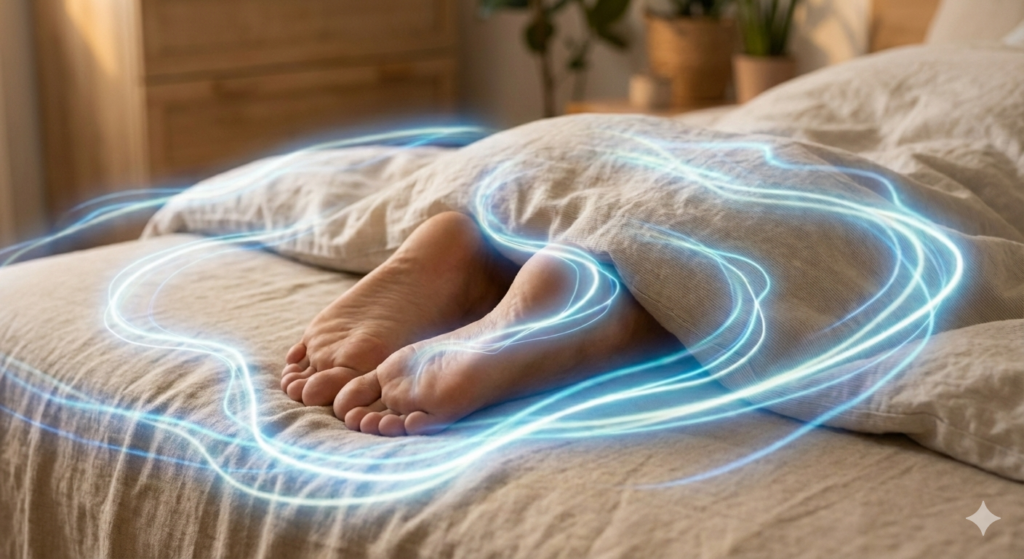
Does Grounding Still Happen While You Sleep
Yes, grounding can occur while you sleep, provided a few conditions are met.
Your skin must be in contact with the conductive portion of the sheet. Pajamas made of thick synthetic fabrics can reduce or block conductivity. Bare skin contact works best.
The sheet must be properly grounded. If the outlet is not grounded or the grounding cord is incorrectly connected, grounding may not occur at all.
The sheet itself must be genuinely conductive. Poor quality products may look like earthing sheets but lack enough conductive material to function effectively.
When these conditions are met, electrical grounding can happen continuously throughout the night.

What The Science Suggests About Sleeping Grounded
Research on earthing during sleep is limited but interesting.
Some small studies have observed changes in overnight cortisol rhythms when participants slept grounded. Cortisol follows a natural daily pattern tied closely to sleep and wake cycles. Disruptions to this rhythm are associated with poor sleep quality and stress.
Other studies have explored changes in nervous system activity and subjective sleep quality. Participants sometimes reported falling asleep faster or waking feeling more rested. These studies are generally small and exploratory, not definitive.
The key takeaway is that early research suggests potential physiological effects, but it does not prove guaranteed benefits for everyone.

Why Some People Notice Improvements In Sleep
Sleep is sensitive to small influences. Even subtle changes can feel significant.
Possible reasons people notice benefits include improved relaxation due to nervous system shifts, reduced nighttime stress perception, and increased awareness of sleep routines.
There is also a behavioral component. Using an earthing sheet often comes with a conscious effort to improve sleep habits, such as going to bed earlier or reducing screen time. These changes alone can improve sleep quality.
This does not invalidate grounding, but it does mean effects are rarely isolated to one variable.

Common Mistakes That Reduce Effectiveness
Many people try earthing sheets and feel nothing. Often, this comes down to setup issues rather than the concept itself.
Common mistakes include:
- Using thick synthetic pajamas that block skin contact
- Connecting the sheet to an ungrounded outlet
- Assuming all sheets are conductive without checking materials
- Expecting dramatic results after one night
Grounding effects, when they occur, tend to be subtle and cumulative rather than immediate.

Are Earthing Sheets Safe To Sleep On
For most people, earthing sheets are considered low risk when used correctly.
They should only connect to the ground port of an outlet, never to live electrical current. Reputable products include safety resistors and clear setup instructions.
People with implanted medical devices or complex health conditions should consult a qualified professional before using grounding products during sleep.
Earthing sheets are not a medical treatment and should not replace professional care.

How Long Before You Might Notice Anything
There is no standard timeline.
Some people report feeling changes within days. Others notice nothing, even after weeks. Some experience benefits only when grounding becomes a regular habit rather than a short experiment.
Consistency matters more than intensity. Sleeping grounded occasionally is unlikely to produce noticeable effects.

Do Earthing Sheets Work For Everyone
No. And that is an important point.
Bodies respond differently. Sleep quality depends on many factors, including stress, environment, light exposure, and overall health. Earthing sheets may support sleep for some people, but they are not a universal solution.
Approaching them as a gentle experiment rather than a guaranteed fix leads to better experiences and fewer disappointments.

Final Thoughts On Earthing Sheets And Sleep
Earthing sheets can work while you sleep in the sense that they can electrically ground the body for extended periods. That part is supported by basic physics.
Whether that grounding translates into better sleep depends on the individual, the setup, and expectations. Early research suggests potential benefits, but the science is still evolving.
If you value low-effort routines, are curious about grounding, and keep expectations realistic, earthing sheets can be a reasonable option to explore. At the very least, they invite more attention to sleep, comfort, and the role of our environment in rest.