





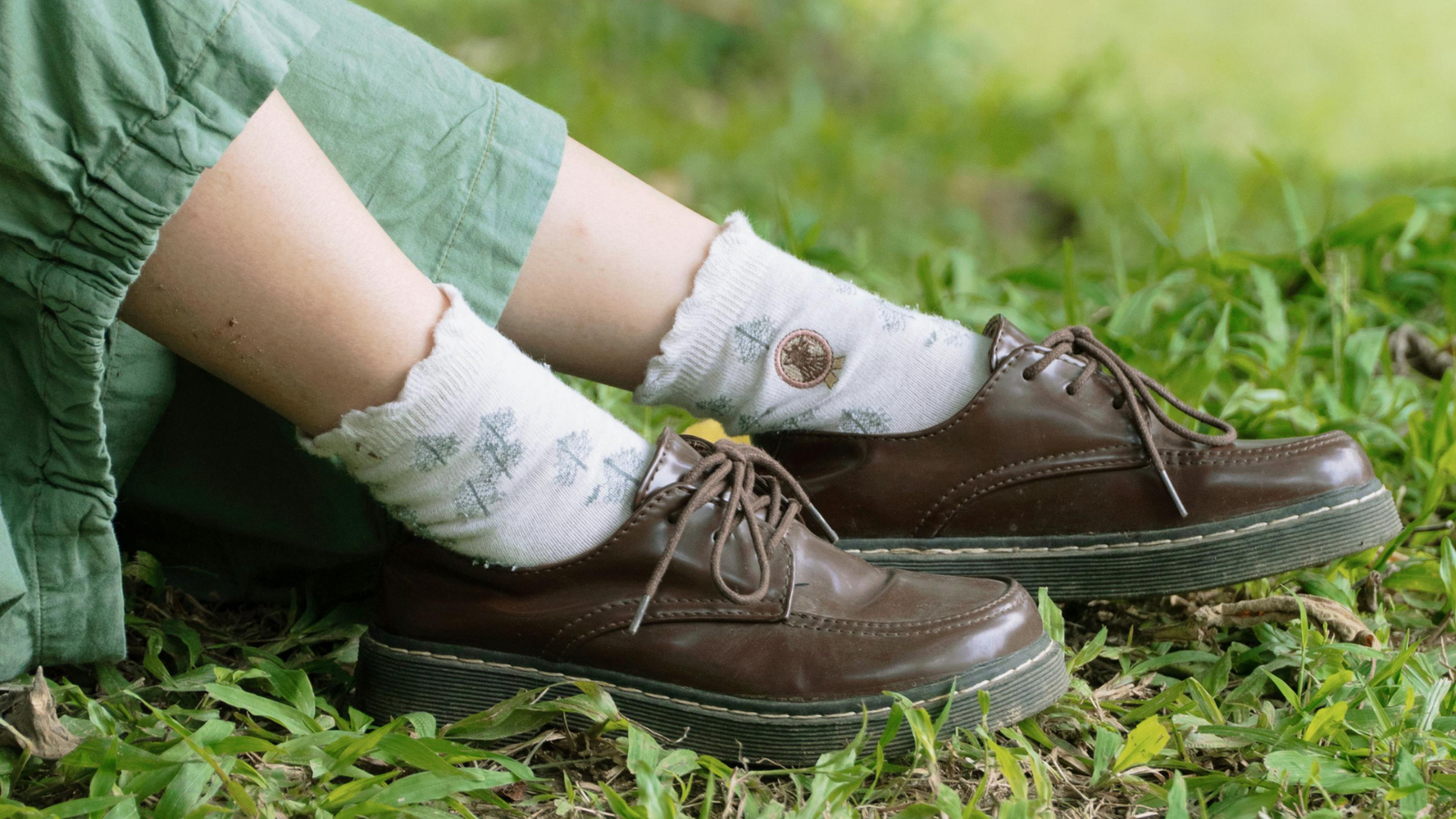
One of the most common questions people ask when learning about earthing is whether shoes or socks get in the way. If grounding is about connecting to the Earth, does footwear block that connection, or can it still work through what you are wearing?
The answer depends on materials, surfaces, and expectations. In most everyday situations, shoes and socks do reduce or completely block grounding, but there are a few important nuances worth understanding.
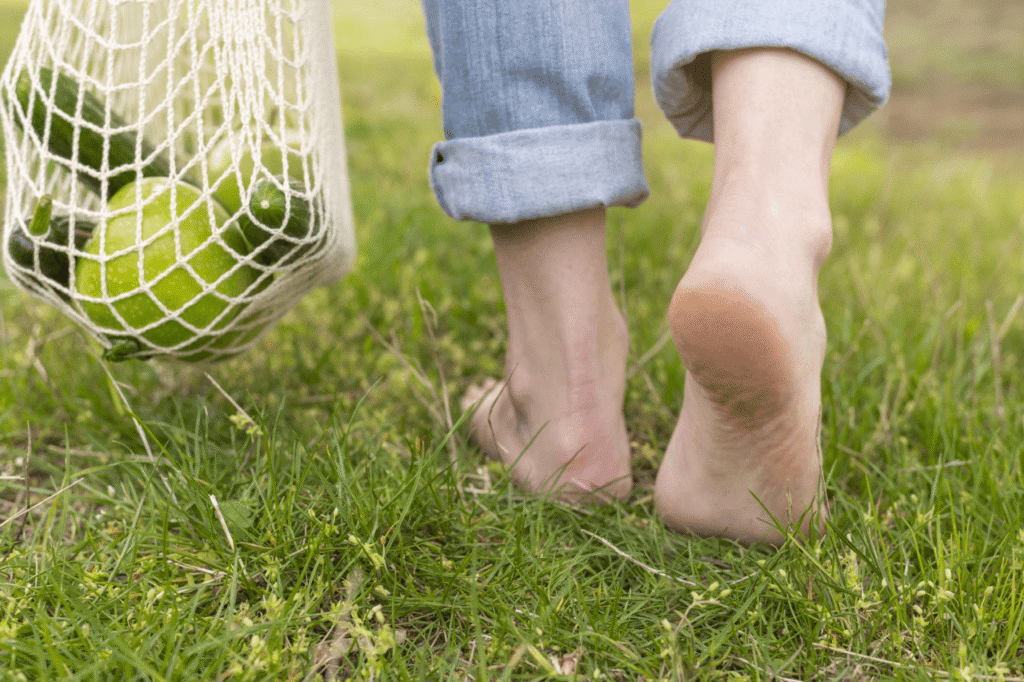
Why Barefoot Contact Matters For Earthing
Earthing relies on direct electrical contact between your body and the Earth. The Earth’s surface is electrically conductive, and so is the human body due to water and electrolytes.
When two conductive objects touch, electrical equalization can occur. When an insulating material sits between them, that connection is interrupted.
Most modern footwear is designed to insulate you from the ground, not connect you to it.

What Happens When You Wear Shoes
The vast majority of shoes today have soles made from rubber, foam, plastic, or synthetic compounds. These materials are electrical insulators.
When you wear these types of shoes:
- Electrical contact with the Earth is blocked
- Grounding does not occur in a meaningful way
- You may still feel relaxed from walking, but not grounded
This applies whether you are walking on grass, soil, sand, or concrete. The insulation is in the shoe, not the ground.

Do Socks Allow Grounding?
Socks are a bit different from shoes, but the outcome is often similar.
Cotton Or Wool Socks
Natural fibers like cotton or wool are less insulating than synthetic materials, but they still reduce direct skin contact.
- Thin, slightly damp socks may allow limited conductivity
- Dry socks usually block effective grounding
- Results are inconsistent and hard to rely on
Synthetic Socks
Socks made from polyester, nylon, or blended synthetics act as insulators.
- Grounding through synthetic socks is very unlikely
- Even thin synthetic fabrics block electrical flow
For reliable earthing, direct skin contact is always preferred.
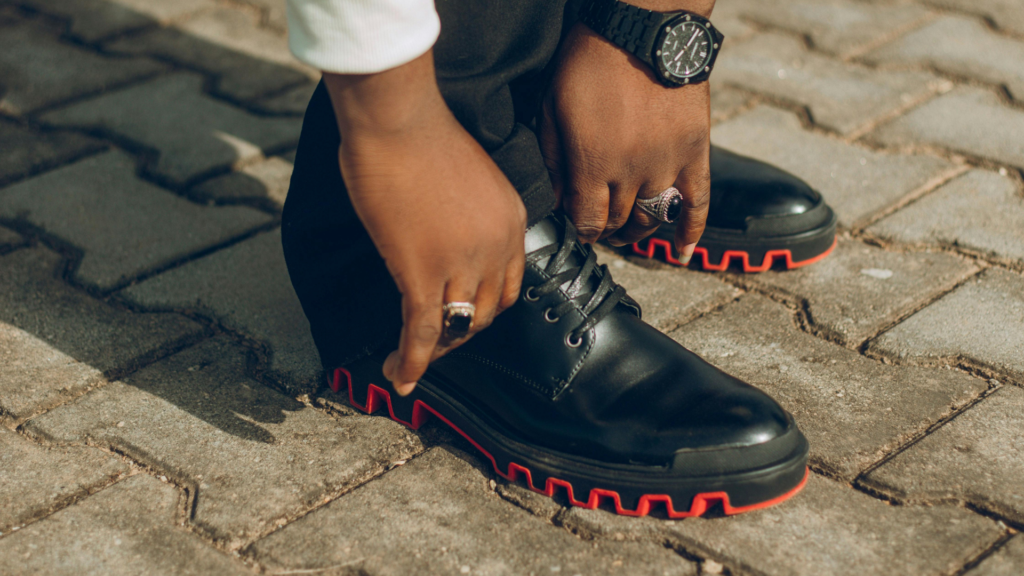
What About Leather-Soled Shoes?
Leather soles are sometimes mentioned as an exception.
Leather is a natural material and can conduct slightly when moist. However:
- Most leather soles are treated, sealed, or layered
- Dry leather is still a poor conductor
- Rubber inserts are often added for durability
In real-world conditions, leather-soled shoes may allow minimal grounding in rare cases, but they are not a dependable method.
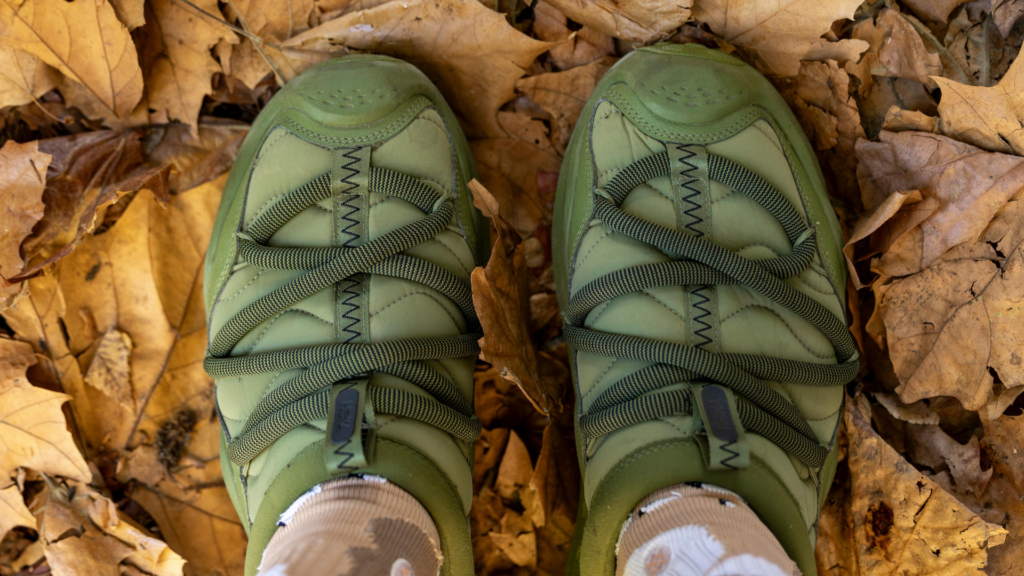
Are There Shoes Designed For Grounding?
Some footwear is specifically designed with conductive elements intended to allow grounding.
These shoes usually include:
- Conductive threads or plugs
- Carbon or metal pathways through the sole
- Direct contact points between foot and ground
Even with these designs, effectiveness depends on surface type, moisture, and proper construction. They are not the same as being barefoot, but they aim to reduce insulation.

Why People Sometimes Think Shoes Work
Some people report feeling grounded even when wearing shoes. This can happen for reasons unrelated to electrical grounding.
Examples include:
- Nervous system calming from walking
- Reduced stress from being outdoors
- Rhythmic movement and breathing
- Time away from screens and noise
These effects are real and valuable, but they are not the same as electrical grounding.

The Role Of Surface Moisture
Moisture increases conductivity, but it cannot overcome thick insulation.
- Wet grass improves grounding only with skin contact
- Damp conditions do not make rubber soles conductive
- Moisture helps when skin touches the Earth directly
This is why barefoot grounding after rain or in morning dew often feels more noticeable.
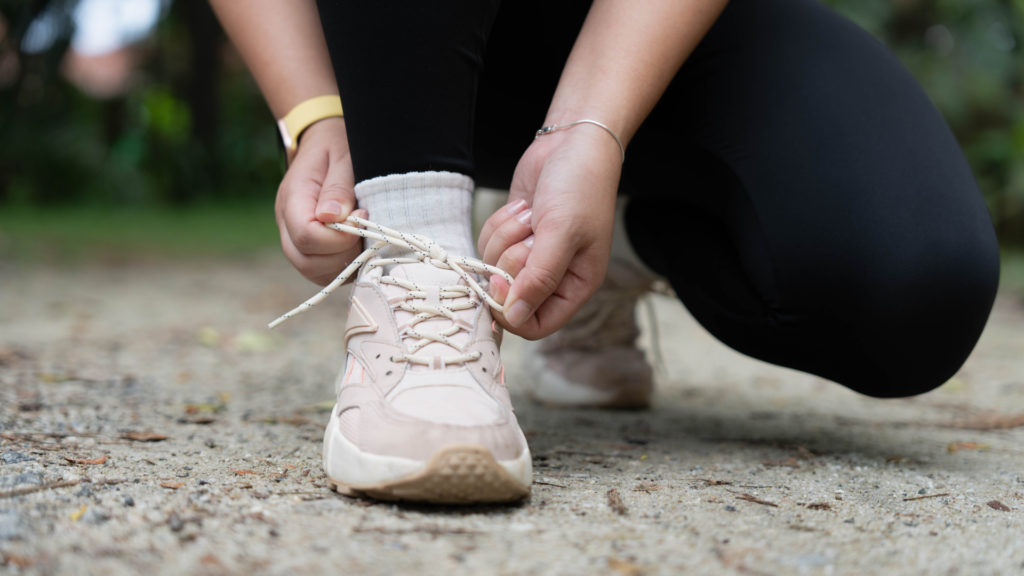
Practical Ways To Ground If You Wear Shoes Most Of The Time
If shoes are necessary for comfort or safety, you still have options.
You can:
- Remove shoes briefly and stand barefoot on grass or soil
- Sit and place bare hands on the ground
- Ground at home using natural surfaces
- Combine short barefoot sessions with regular walks
Even brief periods of direct contact can be enough.
A Simple Rule Of Thumb
If there is a solid, insulating material between your skin and the Earth, grounding is unlikely to occur.
Bare skin on natural ground remains the most reliable and straightforward way to practice earthing.

The Bottom Line
In most cases, you cannot effectively ground through regular shoes or socks. Modern footwear is designed to insulate, and that insulation blocks electrical connection with the Earth.
While walking outdoors in shoes is still healthy and calming, it is not the same as earthing. For those interested in grounding specifically, direct skin contact, even for a few minutes, makes the difference.
Keeping expectations realistic helps earthing stay simple, natural, and frustration-free.