




Earthing sheets may look simple on the surface, but the materials used in them play a big role in how they function, how long they last, and how consistent the grounding experience feels over time.
Understanding what earthing sheets are actually made of helps cut through marketing claims and sets realistic expectations. The materials do not determine health outcomes, but they do affect conductivity, durability, and ease of use.

The Core Purpose of an Earthing Sheet
An earthing sheet is designed to create an electrically conductive path between your body and the Earth while you sleep. To do that, it needs two things:
- A surface that conducts electricity
- A reliable connection to the ground
The materials used in the fabric are responsible for the first part. If conductivity is weak, inconsistent, or degrades quickly, grounding becomes unreliable no matter how good the rest of the setup is.

Common Materials Used in Earthing Sheets
Most earthing sheets use a combination of regular textile fibers and conductive materials woven or embedded into the fabric.
Cotton or natural fabric base
Many earthing sheets use cotton as the base material. Cotton is breathable, comfortable, and familiar, which makes it suitable for bedding. On its own, cotton does not conduct electricity, so it serves purely as a carrier for conductive fibers.
Some sheets use blends that include polyester or other synthetics. These blends can improve durability or reduce cost, but they do not contribute to grounding.
Silver fibers or silver threads
Silver is one of the most common conductive materials used in earthing sheets. Thin silver fibers or threads are woven through the fabric in a grid or pattern.
Silver is used because it is highly conductive even in very small amounts. It also resists corrosion better than many other metals. However, silver fibers are delicate. Over time, washing, friction, and body oils can reduce their conductivity.
This is why care instructions matter so much with earthing sheets.
Carbon based conductive layers
Some earthing sheets or pads use carbon infused materials or coatings instead of silver. Carbon conducts electricity, though generally less efficiently than silver.
Carbon based designs can be more durable in certain use cases, but they may feel stiffer or less fabric like. Conductivity can also be less uniform depending on how the carbon is applied.
Conductive coatings
Lower cost sheets sometimes rely on surface coatings to create conductivity. These coatings can work initially but often wear off faster than woven fibers.
When coatings degrade, grounding becomes patchy or stops altogether, even though the sheet still looks intact.

Why Material Choice Affects Consistency
Conductivity needs to be consistent across the surface of the sheet. If conductive fibers are sparse, unevenly spaced, or partially worn, only certain areas may be grounded at any given time.
This does not create danger, but it can make the experience unpredictable. Some nights may feel different from others simply because contact with conductive areas varies.
Higher quality materials tend to maintain more even conductivity over time, reducing that variability.

Durability and Washing Matter More Than People Expect
Earthing sheets are exposed to sweat, skin oils, movement, and regular washing. These factors gradually affect conductive materials.
Silver fibers can oxidize or break down if washed improperly. Harsh detergents, bleach, fabric softeners, and high heat all shorten lifespan.
Sheets with very thin conductive content may lose effectiveness quickly, even if they remain comfortable to sleep on.
Material quality does not guarantee results, but it does influence how long the sheet performs as intended.
The Role of Connectors and Cords
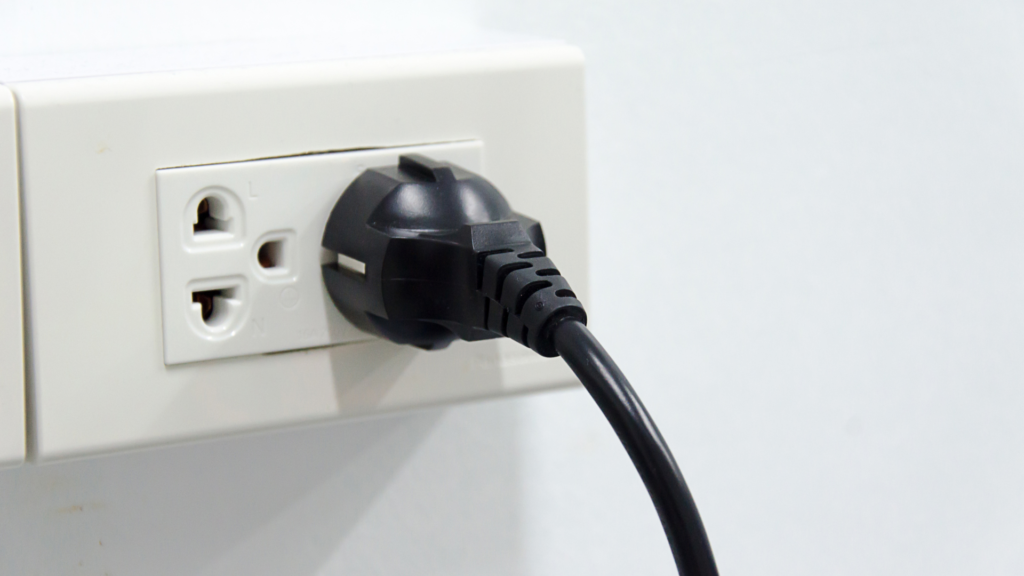
Even the best conductive fabric cannot work without a solid connection to the ground. Snaps, cords, and grounding wires are usually made of metal alloys and insulated wiring.
Cheap connectors can loosen, corrode, or break internally. While this is not usually dangerous, it can interrupt grounding without being obvious.
Materials matter here too, even though they get less attention than the fabric itself.

What Materials Do Not Do
It is important to be clear about limitations. Conductive materials do not store energy, generate healing effects, or actively change biology.
They simply allow electrical potential to equalize between your body and the Earth. Any downstream effects, if they exist, happen through the body’s own systems, not because of the fabric itself.

How to Think About Materials as a Buyer
Instead of asking which material is best, a better question is whether the materials are appropriate for regular use.
Clear material disclosure, realistic care instructions, and honest descriptions matter more than buzzwords. A simple, well explained sheet made with modest materials can be more reliable than a premium product wrapped in vague claims.

What This Means in Real Life
Earthing sheets are not just fabric. The materials inside them determine how consistently and how long grounding actually occurs.
Silver fibers, carbon layers, and coatings all work differently, with trade offs in comfort, durability, and longevity. None of them guarantee outcomes, but they do influence reliability.
Understanding materials helps keep expectations grounded. Earthing sheets are tools, not magic. When you know what they are made of and why, it becomes easier to choose and use them thoughtfully.