






Earthing is often described as something you can do regularly, even daily. Walking barefoot outside, sitting on natural ground, or using indoor grounding products are framed as simple habits rather than occasional practices. That naturally leads to an important question. Is earthing actually safe to do every day?
For most people, daily earthing is considered low risk when done sensibly. However, like any wellness habit, safety depends on how it is practiced, where it is done, and what expectations are attached to it.

Why Daily Earthing Is Generally Considered Low Risk
At its core, earthing is about contact with the natural environment. Humans spent most of history walking barefoot, sitting on the ground, and sleeping close to the Earth. From that perspective, regular ground contact is not something new or extreme.
Modern research has not identified serious adverse effects from daily grounding in healthy individuals. Most reported experiences involve subtle sensations like relaxation, warmth, tingling, or improved sleep quality. These effects tend to be mild and temporary.
Because earthing does not involve chemicals, supplements, or forceful interventions, it sits closer to lifestyle practices like sunlight exposure or gentle movement than to medical treatments.

What Science Can and Cannot Say About Daily Earthing
Scientific studies on earthing are still limited, especially long term studies. That means science cannot definitively say what happens after years of daily grounding. It also means there is no strong evidence suggesting daily earthing is harmful for the general population.
Some small studies and observations suggest potential effects on sleep patterns, stress markers, or blood flow. These findings are preliminary and should not be interpreted as guarantees or prescriptions. Importantly, none of these studies indicate that frequent grounding creates cumulative harm.
The absence of strong evidence cuts both ways. It limits bold claims, but it also limits fear based assumptions.
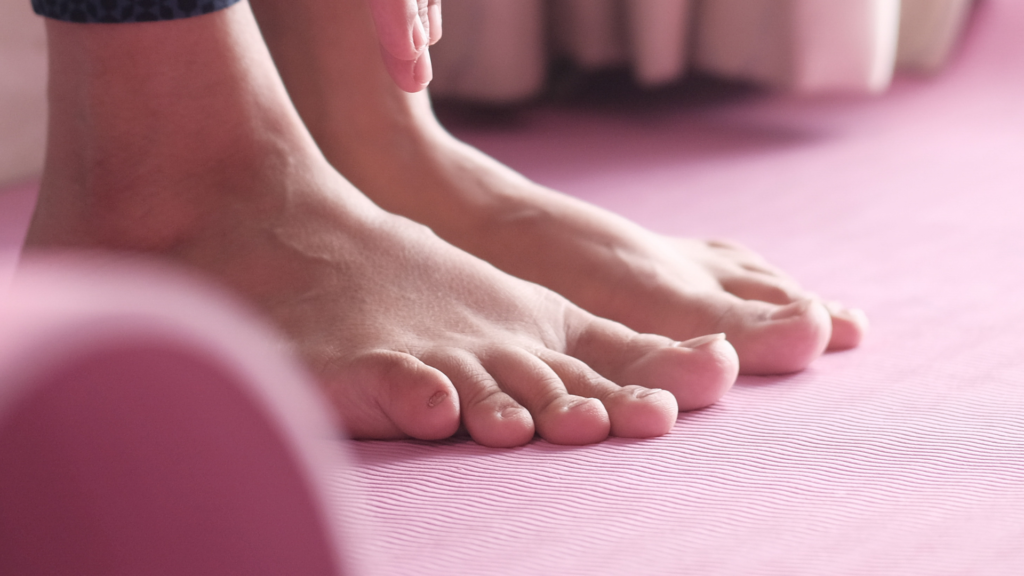
When Daily Earthing Requires Extra Caution
While earthing itself is gentle, certain situations call for more awareness.
People with implanted medical devices, such as pacemakers, should consult a qualified professional before using indoor earthing products connected to electrical outlets. This is a general precaution, not a known risk, but it reflects responsible use.
Using poorly made grounding products or incorrect setups can also introduce unnecessary risk. Faulty cords, unclear instructions, or improperly grounded outlets matter more than frequency.
Outdoor earthing comes with practical considerations too. Uneven terrain, temperature extremes, insects, or contaminated ground can pose physical risks unrelated to grounding itself.

Daily Earthing Indoors vs Outdoors
Outdoor earthing is usually the simplest and safest option. Natural surfaces like soil, grass, sand, and water provide direct grounding without electrical connections. The main safety concerns outdoors are environmental rather than electrical.
Indoor earthing products can also be safe when used correctly. Safety depends on proper grounding, intact cords, and clear instructions. Daily use does not increase risk if the setup is sound and regularly checked.
Problems tend to arise from misunderstanding how products work, not from frequency of use.

Can You Overdo Earthing?
Some people worry about doing too much earthing, especially if they feel strong sensations early on. Tingling, warmth, or temporary changes in sleep can occur as the body adjusts, particularly for beginners.
These sensations are usually mild and short lived. Taking breaks, shortening sessions, or alternating days can help if discomfort appears. There is no requirement to ground for hours every day to make it worthwhile.
Listening to your body matters more than following rigid rules.

Daily Earthing Is Not a Medical Treatment
It is important to keep expectations realistic. Earthing is not a cure, therapy, or replacement for medical care. Practicing it daily does not turn it into one.
Approaching earthing as a supportive habit rather than a solution reduces the risk of disappointment and misuse. It fits best alongside sleep, movement, stress management, and time outdoors, not instead of them.
What This Means in Real Life
For most people, earthing is safe to do every day when practiced thoughtfully. Outdoor grounding on natural surfaces carries minimal risk. Indoor grounding can also be safe when products are well made and used correctly.
Daily earthing does not need to be intense or prolonged to be meaningful. A few minutes of barefoot contact with the ground can be enough to feel connected without pushing boundaries.
As with most simple habits, consistency and moderation matter more than extremes. Earthing works best when it stays simple, calm, and grounded in common sense.