




One of the most common questions people ask when they begin exploring earthing is surprisingly simple. How long do you actually need to do it each day?
Unlike workouts, supplements, or structured therapies, earthing does not come with strict rules or dosage charts. The goal is not intensity, but consistency and comfort. Understanding what research suggests, how people typically practice earthing, and what feels realistic in daily life can help you find a rhythm that works for you.

There Is No One Perfect Time Limit
Earthing is a lifestyle practice, not a medical protocol. Because of this, there is no single number that applies to everyone.
Some people feel calmer after just a few minutes. Others prefer longer sessions as part of their routine. What matters most is regular contact with the Earth rather than hitting a specific time target.
Think of earthing more like spending time outdoors than following a prescription.

What Research And Observations Suggest
Most earthing studies and observational reports involve relatively modest time frames.
Common ranges include:
- Twenty to thirty minutes of grounding per session
- One or two sessions per day
- Overnight grounding through sleep-based setups
These time frames are not requirements. They simply reflect what researchers and users often find practical and noticeable.
Importantly, studies do not suggest that longer is always better.
Starting Point For Beginners
If you are new to earthing, shorter sessions are often the most comfortable way to begin.
A gentle starting approach might look like this:
- Ten to twenty minutes per day
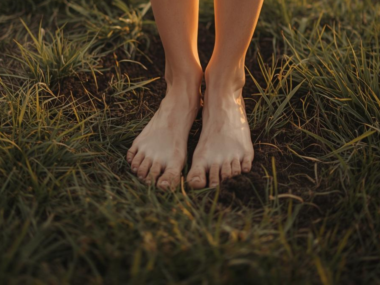
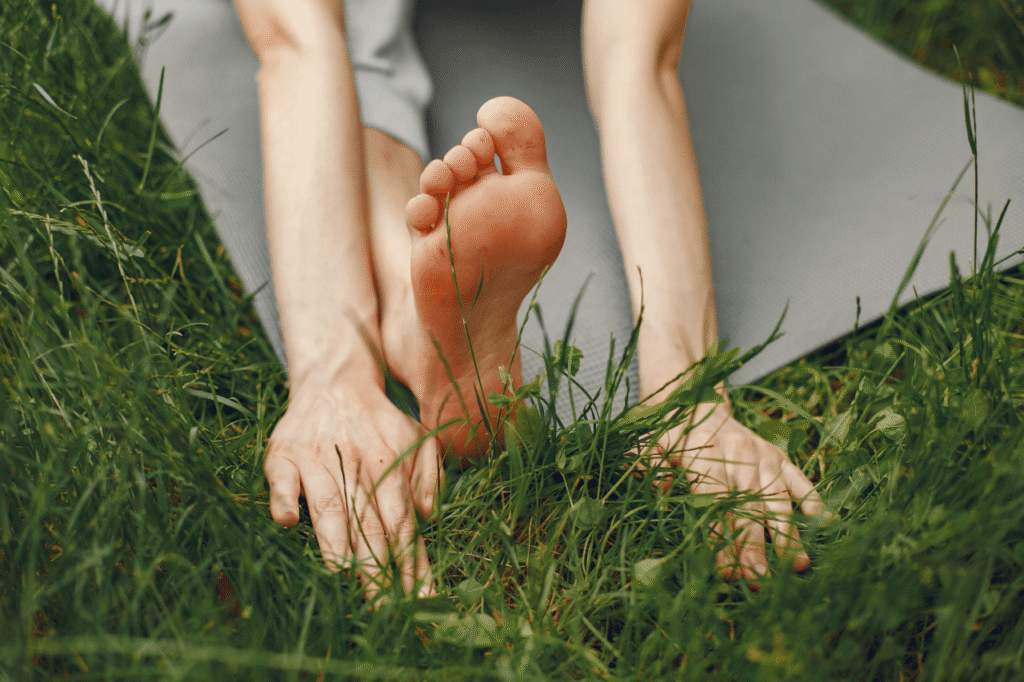
- Barefoot on grass, soil, or sand
- Or partial contact indoors such as feet on a grounding mat
This gives your body time to adjust without overwhelming your nervous system or expectations.
Short Sessions Can Still Be Effective
Earthing does not need to be done for hours to be meaningful.
Even brief sessions can:
- Encourage relaxation
- Reduce mental stimulation
- Shift attention away from screens and stress
For people with busy schedules, consistency matters far more than duration. Five to ten minutes daily can be more supportive than an occasional long session.

Longer Sessions And Overnight Earthing
Some people choose to ground for longer periods, especially indoors.
Examples include:
- Thirty to sixty minutes while working or relaxing
- Grounding during meditation or stretching
- Sleeping while grounded using mats or sheets
For most healthy adults, longer sessions are generally considered safe when basic guidelines are followed. However, more time does not guarantee stronger effects.
Comfort should always guide duration.

Listening To Your Body Matters Most
People respond to earthing differently. Some feel deeply relaxed. Others notice subtle changes over time. A few may feel overstimulated if they overdo it early on.
Signs you may want to reduce time include:
- Restlessness
- Difficulty sleeping
- Tingling that feels uncomfortable rather than neutral
If this happens, shortening sessions or taking a break is perfectly reasonable.

Daily Frequency Versus Total Time
Instead of focusing only on total minutes, it can help to think in terms of frequency.
Options include:
- One longer session per day
- Two shorter sessions spread out
- Brief grounding moments added to daily habits
For example, standing barefoot in the yard in the morning and again in the evening may feel more natural than a single long session.
Combining Earthing With Daily Activities
Earthing is easier to maintain when it fits into things you already do.
Common examples include:
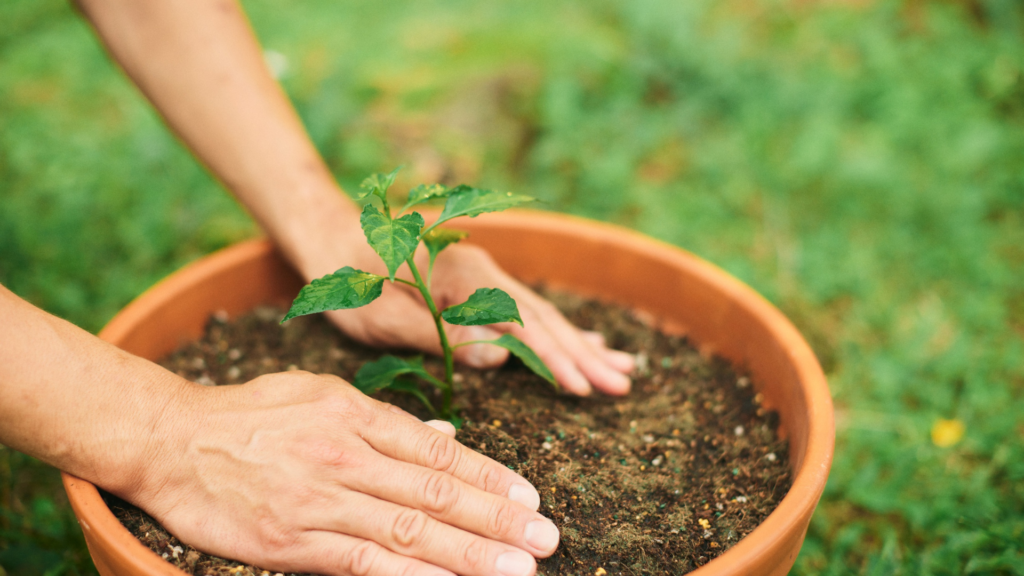
- Walking barefoot while watering plants
- Sitting on the ground during breaks
- Stretching or breathing exercises outdoors
- Grounding feet while reading or working indoors
This approach removes pressure and turns earthing into a background habit rather than a task.
Quality Of Contact Often Matters More Than Time
Ten minutes of direct skin contact with natural ground is often more effective than an hour of indirect or distracted grounding.
Helpful factors include:
- Direct skin contact
- Natural surfaces when possible
- Minimal distractions
- Relaxed breathing
Being present tends to amplify the experience, even if the session is short.
A Simple Daily Guideline
If you want a realistic, low-pressure guideline, this works well for many people:
- Aim for ten to thirty minutes per day
- Adjust based on comfort and enjoyment
- Stay consistent rather than forcing longer sessions
There is no benefit in pushing past what feels supportive.

Finding Your Natural Rhythm
Earthing does not require long daily sessions to be worthwhile. For most people, ten to thirty minutes per day is a practical and sustainable range, especially when practiced consistently.
More time is not automatically better. The best amount of earthing is the amount that fits naturally into your life and leaves you feeling calmer rather than pressured.
When in doubt, start small, stay curious, and let the practice remain simple.