






This is one of the most common and reasonable questions people ask about earthing products. Plugging anything into an electrical outlet naturally raises concerns about safety, interference, and unintended consequences.
The short answer is that properly designed earthing products are not meant to interfere with electrical systems at all. When used correctly, they connect only to the grounding portion of a home’s electrical system, not to live power.
That said, the full answer depends on product quality, home wiring, and how the product is used. This article explains where concerns come from, what actually happens electrically, and when caution is warranted.

How Earthing Products Connect to Your Home
Indoor earthing products such as mats, sheets, or pads typically connect to the grounding port of a standard electrical outlet. This grounding port is already connected to the Earth through the home’s electrical system.
Importantly, earthing products are designed so that:
- They do not draw electricity
- They do not connect to live or neutral wires
- They use the grounding path only
The grounding wire exists for safety. It provides a path for excess or stray electrical energy to safely dissipate into the Earth. Earthing products simply make use of this existing pathway.
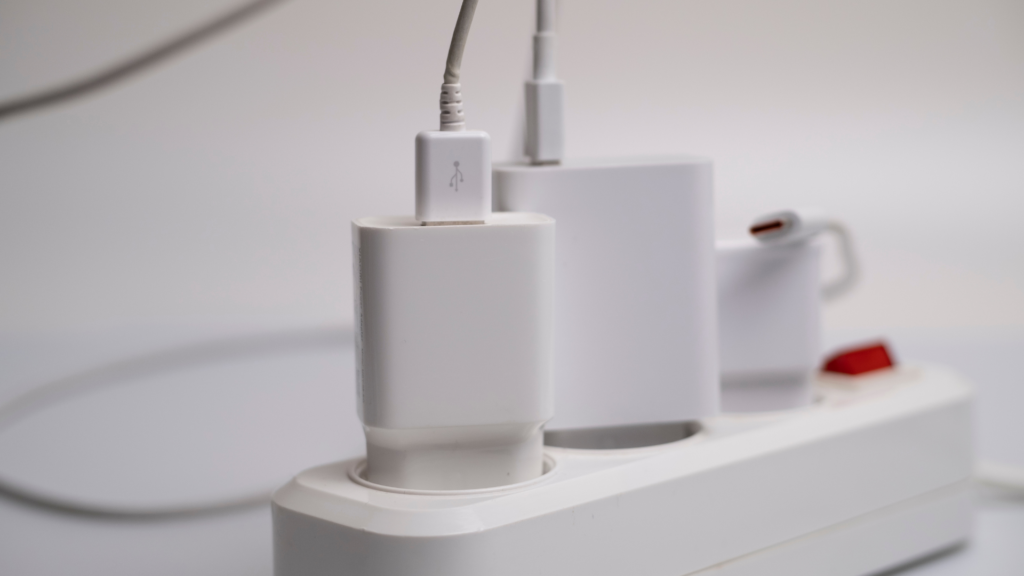
Why Earthing Products Do Not Power Anything
A common misunderstanding is that plugging into an outlet means electricity flows into the product or the body.
In a properly grounded system, there is no voltage driving current through the grounding wire during normal operation. Without a voltage difference, there is no continuous current flow.
Earthing products do not function like appliances. They do not consume power, generate signals, or alter how electricity flows in your home.
They act as a passive connection point, not an active electrical device.

Can Earthing Products Cause Electrical Interference?
When properly made and correctly used, earthing products do not interfere with household electronics.
They do not emit signals, alter frequencies, or affect wiring loads. Sensitive devices such as computers, routers, or medical equipment operate independently of the grounding path used by earthing products.
Interference concerns usually arise from confusion between grounding and electrical circuits. Grounding is a safety reference, not a working circuit.
If interference were occurring, it would indicate a wiring fault or a poorly designed product rather than a normal effect of earthing.

When Problems Can Occur
While earthing products themselves are passive, problems can arise in specific situations.
Poorly Designed or Cheap Products
Low quality products may:
- Be incorrectly wired
- Lack proper insulation
- Use substandard connectors
- Skip basic electrical safety testing
In rare cases, a faulty product could create unintended contact with live wiring if manufacturing standards are poor. This is why product quality matters.
Improperly Grounded Homes
Some homes, especially older buildings, may have outlets that appear grounded but are not actually connected to earth.
In these cases:
- Earthing products may not function as intended
- Outlet testers may show incorrect wiring
- Grounding paths may be inconsistent
This does not usually create interference, but it can undermine safety assumptions.
Improvised or Modified Setups
Using adapters, modifying cords, or connecting earthing products in unintended ways increases risk.
Earthing products should never be altered to connect to neutral or live wires. Doing so defeats the safety design entirely.
What About Power Surges or Faults?
In the event of an electrical fault or surge, the grounding system is designed to safely redirect excess energy away from people and devices.
Because earthing products connect only to ground, they do not increase the risk of surges. They are connected to the same grounding system that protects appliances and outlets.
In fact, grounding exists to reduce risk during faults, not create it.

Medical and Sensitive Equipment Concerns
People sometimes worry about earthing products affecting medical devices or sensitive electronics.
There is no evidence that properly grounded earthing products interfere with normal household electronics. However, people with implanted medical devices should be cautious due to limited research in this area.
This is not because earthing products actively interfere, but because implanted devices operate in controlled electrical environments where even unlikely variables deserve attention.
Caution here is about uncertainty, not known harm.

How To Reduce Any Potential Risk
For peace of mind and safety, a few simple steps make a big difference:
- Use earthing products from reputable manufacturers
- Test outlets with a grounding tester before use
- Avoid very cheap or unverified products
- Follow manufacturer instructions exactly
- Do not modify cords or plugs
These steps address nearly all realistic risks associated with indoor earthing products.

A Clear Bottom Line
Earthing products are designed to use the grounding system, not interfere with it. When products are well made and homes are properly grounded, there is no mechanism for them to disrupt electrical systems.
Concerns usually stem from misunderstanding how grounding works or from poor quality equipment rather than from earthing itself.
As with anything that connects to household wiring, awareness and quality matter. Used responsibly, earthing products remain passive, low risk tools that do not alter how your electrical system functions.
Understanding the difference between grounding and electricity is what turns concern into clarity.